
 Permission Marketing is the term popularized by marketing guru Seth Godin. Seth says permission marketing is the delivering of anticipated and personal messages to people who actually want to receive them. Whereas Interruption Marketing on the other hand is when companies just bombard the person with continuous unwanted advertising, promotions. The main question is: Which one should you use? Which one would bring more traffic into your business more? In this article we will answer all these questions.
Permission Marketing
Permission Marketing is when you ask for the potential customers consent and then send them a personalised message or promotion/advertisement. This can come in the form of many different methods.Remember real Permission Marketing is not when you only obtain the email and that's it. Real Permission Marketing is when someone would complain or miss the feature if they were not to get it every couple of days. For example if you have subscribed to a newsletter or a Youtube channel, then you would want a new video or new newsletter every couple of days from the business. The potential customer may complain or get frustrated that he is not receiving updated videos or newsletters. This is true Permission Marketing. When someone actually wants to receive something and would actually complain if they did not receive it. Marketers ask for permission before moving onto the sales process.
Another form of Permission Marketing is Tesco with their Tesco Loyalty card. Customers sign up to the loyalty program and expect to hear back from Tesco through personalised promotions, letters, advertisements, etc. Tesco even email customers on their birthday and wish their customers a happy birthday, which is an even more personalised service. Permission Marketing does tend to take longer then Interruption Marketing. Permission Marketing builds a longer, lasting relationship with the customer while Interruption Marketing doesn't.
 Some examples of Permission Marketing include:
- Entering your details for free stuff on their website
- Promoting to your existing customers through email (Share 'xyz' with us and you could win a Ferrari)
- Like our Facebook Page and Enter your details to win a house
Interruption Marketing
Interruption Marketing is the total opposite to Permission Marketing. Interruption Marketing is advertising in a continuous way in which the customer may or may not have an interest in the product or service but still targeting them with promotions, advertisements and sales letters/emails. Interruption Marketing is seen as a distraction to a customer as it is actually interrupting what the person is actually doing. Interruption Marketing is a technique considered to be used by with a bigger budget or are targeting a mass audience. It is used by marketers as a method which will produce quick results.Have you ever been called by someone only to realise it was a telemarketer trying to sell you something? It is most likely they interrupted you from doing something. Potential customers don't really like it when you interrupt them from something. But those telemarketers are pretty annoying, aren't they?
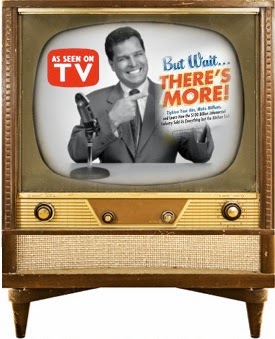 Another example of Interruption Marketing is when you are watching your favourite movie or program. Lets say you are watching Geordie Shore on MTV and you are getting into it, then all of a sudden it goes to an advertisement of Soap. That is Interruption Marketing, because it actually interrupts you from doing what you were doing.
Some other examples of Interruption Marketing include:
- Print Advertising - advertising in the paper or a magazine/billboard
- Post - advertisements sent through the post (e.g. 'You have won a thousand pounds...)
- Spam email - We all hate spam email
- TV/Radio advertisements - The Classics
Both are great techniques to use to boost your business and bring more traffic/customers to your business/site. Permission Marketing requires more time and patience as it develops and builds lasting relationships with customers which are likely to come back. However Interruption Marketing takes less time nonetheless it is more expensive but it does reach a wider audience.
We would love to hear from you! Which techniques do you use to promote your business? Which methods are the most effective? Comment below! Remember to sign p to our RSS Feed to receive all our updates and sign up to the newsletter as well!

